Creating Stillness: Understanding and Designing Prayer Spaces
Prayer Spaces Training Sessions
When was the last time you paused? Not scrolled, not multitasked, just… stopped.
With funding support from the Directorate for Lifelong Learning and Employability within the Ministry for Education, Sport, Youth, Research and Innovation, we spent two sessions exploring prayer spaces with our adult volunteers and youth leaders. Fr. Reuben Gauci, a local priest who’s spent years training educators and designing these spaces for schools, walked us through the concept from the ground up.
What Are Prayer Spaces?
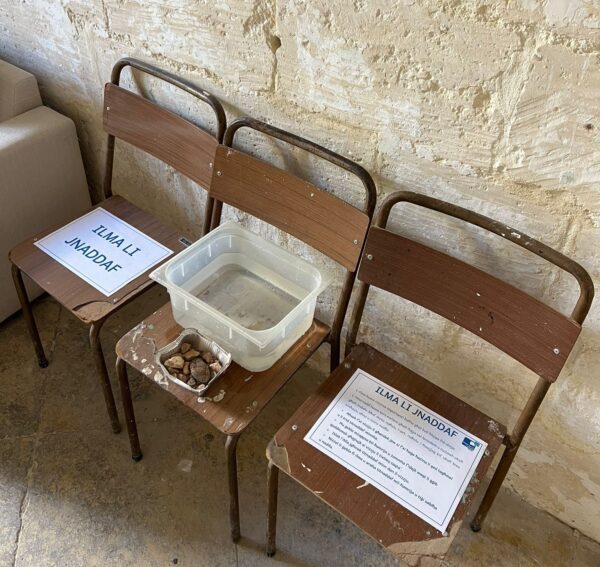
A prayer space is a simple, inviting setup that turns an ordinary room or environment into a place where students can slow down and reflect. It offers a mix of quiet corners and creative activities that help young people think about life, relationships, gratitude, worries, and faith in a way that feels personal rather than formal.
The idea is to create a calm, inclusive environment open to any belief or none, giving them room to pause, wonder, and explore questions that matter to them. Instead of teaching or directing, a prayer space encourages gentle reflection through interactivity and creativity, allowing each person to engage at their own pace and in their own way.
Session Two – The Why and How
The second session moved from experience to understanding. Fr. Reuben unpacked both the theology and the practicality of prayer spaces.
How Do We Pray?
Prayer takes many forms; some follow structured liturgies, and others flow like a conversation with a trusted friend. The common thread is always the person praying.
At its heart, prayer builds a relationship with God through dialogue. Prayer spaces offer an accessible entry point into that conversation. Furthermore, Fr. Reuben explained that every person is spiritual by design. Our spirit helps us recognise God’s presence, connecting body and soul, but awareness requires invitation. Opening ourselves to God’s spirit allows it to illuminate our own and show us who we are. Prayer becomes the practice of tuning into that presence already within us.
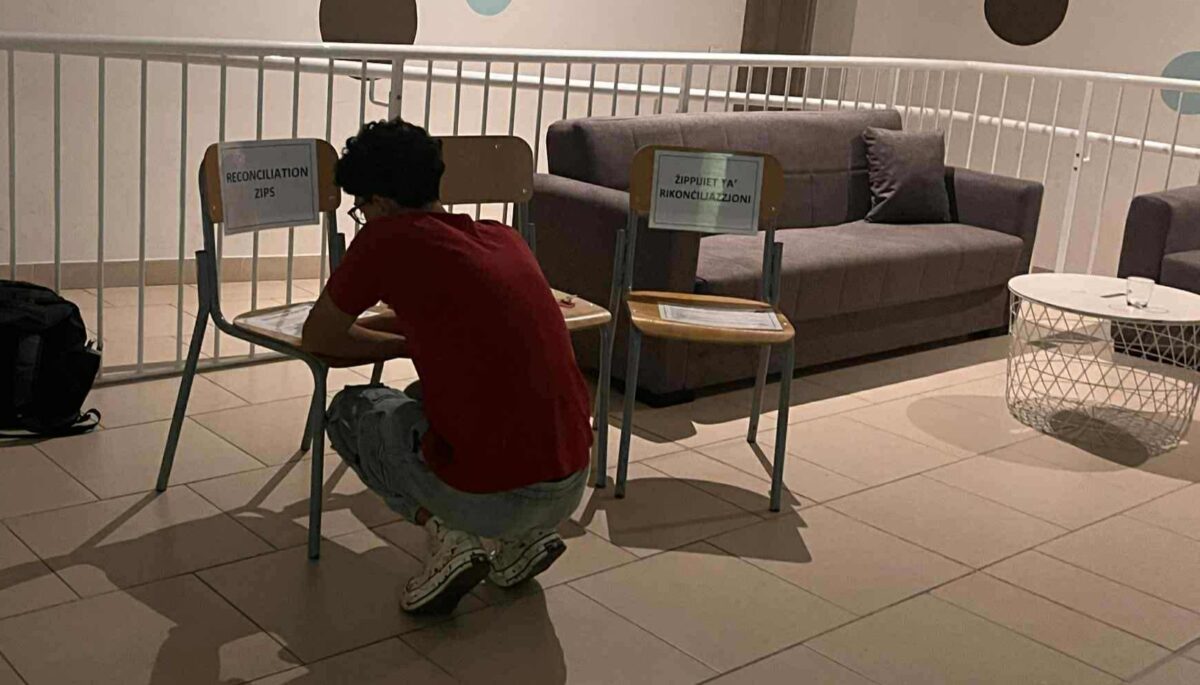
Designing Your Own Prayer Space
With the spiritual foundation laid, we rolled up our sleeves and got practical.
Setting the Atmosphere
Creating a prayer space isn’t about decoration; it’s about crafting a mood that supports reflection. Think of props and environments as tools to deepen the experience. Fairy lights or candles can transform a room’s energy, signalling that this space is set apart for contemplation. The goal is to use whatever’s available to your advantage.
Don’t let limited space discourage you. While an outdoor setting in nature offers its own magic, prayer spaces can flourish in the most unexpected places: a storage room, a hallway, even a corner of a busy building. With the right mindset and preparation, anywhere can become a place of reflection.
Know Your Audience
The most critical design consideration is understanding who will use your prayer space.
- Space configuration affects experience. While many assume prayer spaces are designed for solitary use, they can also be created for pairs or small groups. However, adults especially need enough physical and emotional space to reflect comfortably without feeling observed or judged.
- Inclusivity requires awareness of abilities and needs. If someone struggles with writing, offer drawing as an alternative. If your community includes people from different cultural backgrounds, incorporate imagery and symbols that help them feel seen and included.
- Emotional sensitivity is paramount. Some prayer spaces may touch on grief, loss, or other tender topics. Introduce heavier themes gradually, giving people time and space to process what surfaces. Not everyone is ready for the same depth of reflection at the same time.
Don’t let limited space discourage you. While an outdoor setting in nature offers its own magic, prayer spaces can flourish in the most unexpected places: a storage room, a hallway, even a corner of a busy building. With the right mindset and preparation, anywhere can become a place of reflection.
Design Principles Worth Remembering
- Be clear and simple – Complexity obscures meaning. Keep the focus sharp.
- Make it accessible and relevant – Use examples from people’s current lives and experiences.
- Root it in daily reality – Connect to the emotions people are already feeling. Create bridges between the spiritual and the everyday.
- Choose language carefully – Especially with younger audiences or those new to faith, skip the religious jargon and abstract concepts. Speak plainly.
- Engage the senses – Make it interactive. Incorporate touch, sight, and creative activities like writing or drawing.
- Prioritise inclusivity – Design with diverse abilities, backgrounds, and comfort levels in mind.
Where to Go From Here
For those inspired to create their own prayer spaces, one can visit either the SDS and the Prayer Spaces in School websites, which offer extensive resources, materials, and ideas to expand your knowledge and skills.