Blog

Your blog category

Creating Stillness: Understanding and Designing Prayer Spaces

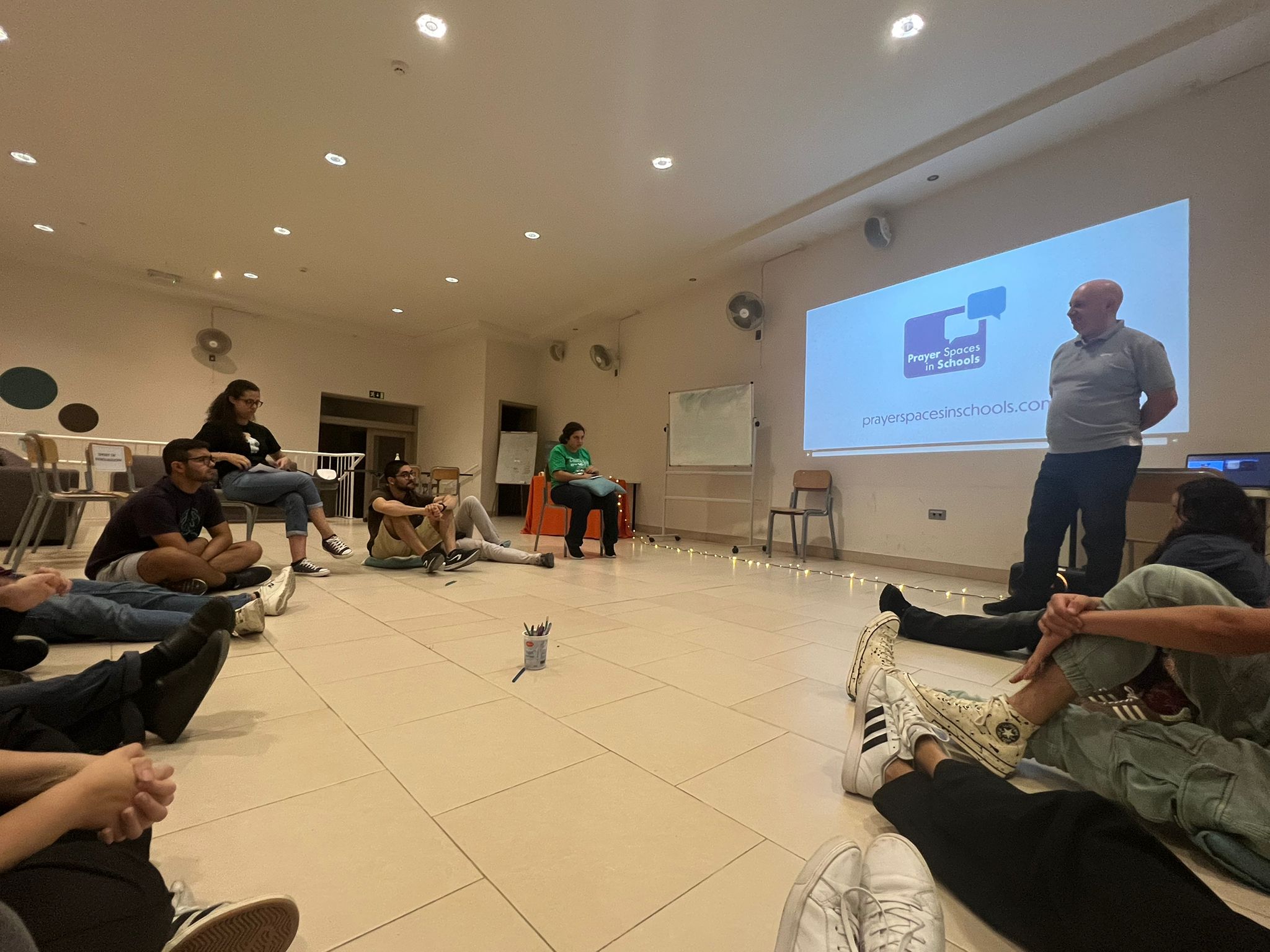
Creating Stillness: Understanding and Designing Prayer Spaces Prayer Spaces Training Sessions When was the last time you paused? Not scrolled, not multitasked, just… stopped. With funding support from the Directorate for Lifelong Learning and Employability within the Ministry for Education, Sport, Youth, Research and Innovation, we spent two sessions exploring prayer spaces with our adult volunteers and youth leaders. Fr. Reuben Gauci, a local priest who’s spent years training educators and designing these spaces for schools, walked us through the concept from the ground up. What Are Prayer Spaces? A prayer space is a simple, inviting setup that turns an ordinary room or environment into a place where students can slow down and reflect. It offers a mix of quiet corners and creative activities that help young people think about life, relationships, gratitude, worries, and faith in a way that feels personal rather than formal.  The idea is to create a calm, inclusive environment open to any belief or none, giving them room to pause, wonder, and explore questions that matter to them. Instead of teaching or directing, a prayer space encourages gentle reflection through interactivity and creativity, allowing each person to engage at their own pace and in their own way. Session Two – The Why and How The second session moved from experience to understanding. Fr. Reuben unpacked both the theology and the practicality of prayer spaces. How Do We Pray? Prayer takes many forms; some follow structured liturgies, and others flow like a conversation with a trusted friend. The common thread is always the person praying. At its heart, prayer builds a relationship with God through dialogue. Prayer spaces offer an accessible entry point into that conversation. Furthermore, Fr. Reuben explained that every person is spiritual by design. Our spirit helps us recognise God’s presence, connecting body and soul, but awareness requires invitation. Opening ourselves to God’s spirit allows it to illuminate our own and show us who we are. Prayer becomes the practice of tuning into that presence already within us. Designing Your Own Prayer Space With the spiritual foundation laid, we rolled up our sleeves and got practical. Setting the Atmosphere Creating a prayer space isn’t about decoration; it’s about crafting a mood that supports reflection. Think of props and environments as tools to deepen the experience. Fairy lights or candles can transform a room’s energy, signalling that this space is set apart for contemplation. The goal is to use whatever’s available to your advantage. Don’t let limited space discourage you. While an outdoor setting in nature offers its own magic, prayer spaces can flourish in the most unexpected places: a storage room, a hallway, even a corner of a busy building. With the right mindset and preparation, anywhere can become a place of reflection. Know Your Audience The most critical design consideration is understanding who will use your prayer space. Space configuration affects experience. While many assume prayer spaces are designed for solitary use, they can also be created for pairs or small groups. However, adults especially need enough physical and emotional space to reflect comfortably without feeling observed or judged. Inclusivity requires awareness of abilities and needs. If someone struggles with writing, offer drawing as an alternative. If your community includes people from different cultural backgrounds, incorporate imagery and symbols that help them feel seen and included. Emotional sensitivity is paramount. Some prayer spaces may touch on grief, loss, or other tender topics. Introduce heavier themes gradually, giving people time and space to process what surfaces. Not everyone is ready for the same depth of reflection at the same time. Don’t let limited space discourage you. While an outdoor setting in nature offers its own magic, prayer spaces can flourish in the most unexpected places: a storage room, a hallway, even a corner of a busy building. With the right mindset and preparation, anywhere can become a place of reflection. Design Principles Worth Remembering Be clear and simple – Complexity obscures meaning. Keep the focus sharp. Make it accessible and relevant –  Use examples from people’s current lives and experiences. Root it in daily reality –  Connect to the emotions people are already feeling. Create bridges between the spiritual and the everyday. Choose language carefully – Especially with younger audiences or those new to faith, skip the religious jargon and abstract concepts. Speak plainly. Engage the senses –  Make it interactive. Incorporate touch, sight, and creative activities like writing or drawing. Prioritise inclusivity –  Design with diverse abilities, backgrounds, and comfort levels in mind. Where to Go From Here For those inspired to create their own prayer spaces, one can visit either the SDS and the Prayer Spaces in School websites, which offer extensive resources, materials, and ideas to expand your knowledge and skills.

Creating Stillness: Understanding and Designing Prayer Spaces Read More »
95 Years

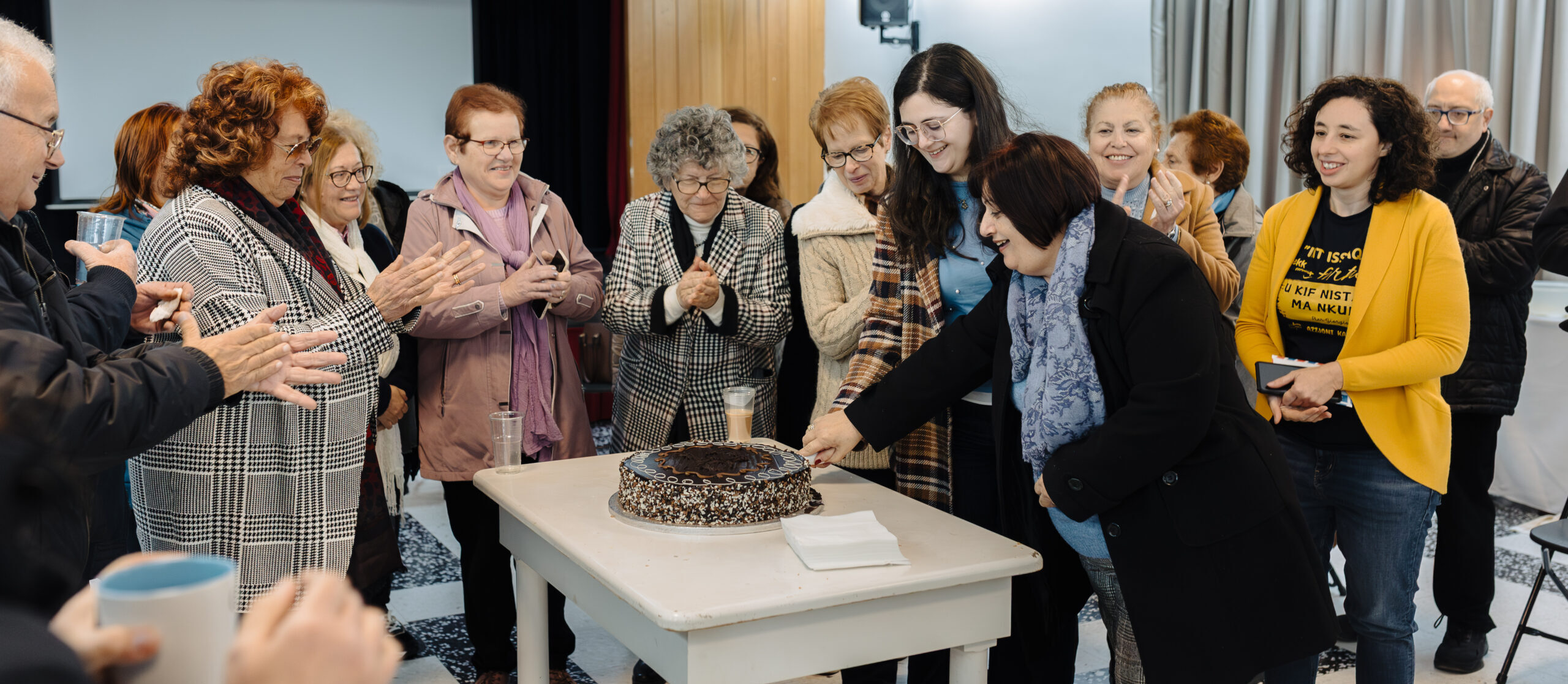
AKM Seminar: 95 Years of Catholic Action in Malta On Saturday 22nd February, a half-day seminar was organised for individuals holding various leadership positions in the different branches and groups of the Maltese Catholic Action. Nearly 50 people participated in this seminar, ranging in age from 20 to over 70 years old. Organised moments like these help participants not only to get to know each other better, but also to continue expressing the positives, discussing the challenges they face in their mission, and providing mutual support. This seminar was specifically organised in February because, during this week, Catholic Action celebrated the 95th anniversary of its establishment in Malta. The theme chosen for this year’s seminar was “The Past, the Present, and the Future”.The members and volunteers gathered early in the morning at Dar tal-Providenza in Siġġiewi, where, while enjoying tea and coffee together, they had the opportunity to readmore about the history of Maltese Catholic Action, which was exhibited around them, ensuring that the past milestones are celebrated. The prepared programme began with a presentation by Marija Cahia, the President of Maltese Catholic Action, who provided statistical data on the current number of members and groups within the organisation. Thisallowed participants to gain a clear understanding of the organisation’s present state. To start working on a future plan for the organisation, the members were presented with three different scenarios to envision where the Maltese Catholic Action might be in five years time. The first scenario helped people imagine the organisations 100th anniversary celebration. The second scenario depicted a status quo situation, where no progress or change occurred within the organisation. The final scenario involved the announcement of the organization’s closure and death. In smaller groups, members discussed these three scenarios and decided in which direction they wanted to take the Maltese Catholic Action over the next five years. As the organisation is also in the process of selecting a new Presidium and other variousleadership roles for the next 3-year term, there is a need to build a vision and action plan for the coming years. During the workshops, members had the opportunity to generate new ideas, outline a list of priorities for the organization to focus on, and suggest necessary actions to achieve these essential goals. The workshops concluded with a mass, through which the members continued reflecting on their purpose, mission, and scope, as well as what motivates them to be a part of Catholic Action and why they do what they do. After the programme, there was time for members to socialise and share a meal together.

95 Years Read More »

Żurrieq Inauguration

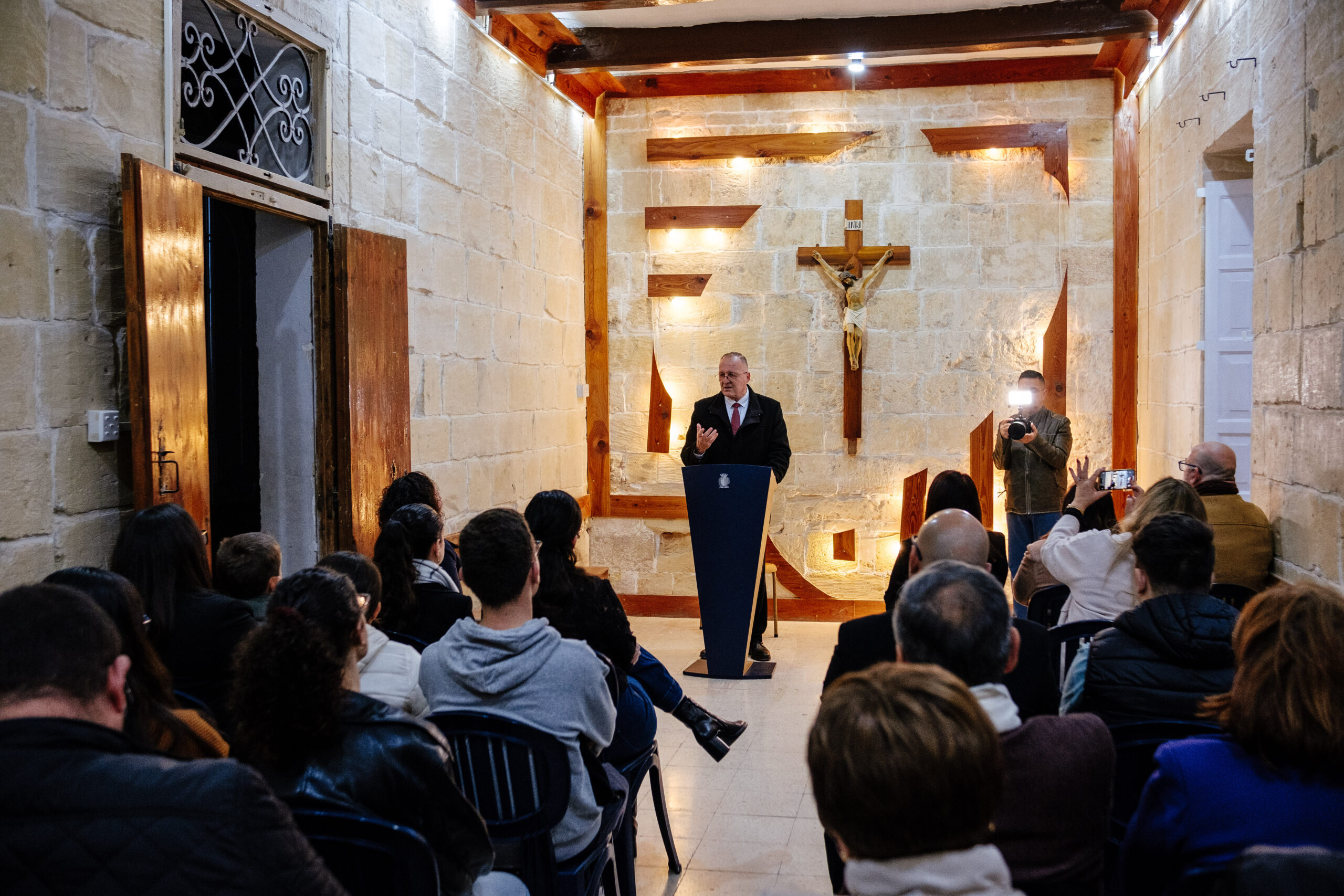
ŻAK Żurrieq Youth Centre Officially Inaugurated On Saturday 25th January 2025, the newly renovated premises of ŻAK Żurrieq were officially inaugurated. The center will serve as a vibrant hub for young people from Żurrieq and surrounding areas, fostering community, personal growth, and spiritual development. Operated by Żgħażagħ Azzjoni Kattolika (ŻAK) and Azzjoni Kattolika Maltija (AKM), the center proudly continues the legacy of Dun Guzepp Falzon Zammit, who for decades nurtured the youth of this community. During this visit, the Minister for Inclusion and Social Wellbeing Julia Farrugia, together with the Chief Executive of the Malta Council for the Voluntary Sector Mauro Pace Parascandolo, saw the work carried out at this centre. The event culminated in a thanksgiving mass, celebrated by Mons. Carmel Camilleri, who served as spiritual director of the centre for around 15 years during the late 1970s to the early 1990s. In her opening remarks, AKM President Marija Cachia expressed her gratitude towards Dun Ġużepp Zammit Falzon, who nurtured the Catholic Action group in Żurrieq to the extent of donating his house for the use of the Maltese Catholic Action in Żurrieq. Fr Żammit Falzon’s actions paid testament to his belief in the role of lay people within the church and, therefore, oftheir formation. Ms Cachia extended her gratitude towards leaders of the AKM and ŻAK, who across decades, volunteered their time and skills towards developing a community of individuals committed to social justice. The refurbishment of the ŻAK Centre in Żurrieq, made possible through local and EU funding made available to voluntary organisations such as AKM, enables the continuation of this mission. ŻAK President, Michela Baldacchino, explained that ŻAK is a branch of the Maltese Catholic Action and its purpose is to provide programs for spiritual, social and personal development. The aim of this process is to affirm an individual in his or her proper identity and involve him or her in a relationship with God and others. The structures of ŻAK assist youth leaders and other young people in the administration of youth work activities and support them to organize group meetings of young people as well as other activities like summer camps. ŻAK Żurrieq welcomes young people, aged 16 years and over, on Fridays between 7pm and 9:30pm. Mario Calleja, Vice-Chairman of the GAL Xlokk Foundation, underscored the importance of volunteering within the community and of nurturing young people, claiming that the Foundation prioritised youth when allocating European funds. Mr Calleja highlighted the positive impact of youth work, such as that carried out by Żgħażagħ Azzjoni Kattolika. Hon. Minister Julia Farrugia claimed that this inauguration was meaningful because it evidenced the love, solace and solidarity that are nurtured within the premises. Through these actions, young people develop strong values, which enable them to leave a positive impact in their personal lives, at their workplace and in the community. Organisations such as ŻAK and AKM are the beating heart of our society, with volunteers who give their time, energy and passion to improve the quality of life of those most in need and others in general. Minister Farrugia stated that this project was one of 168 projects supported by the Malta Council for the Voluntary Sector over the past few years. Chief Executive Mauro Pace Parascandolo said that this project demonstrates the collaboration not only between organisations and entities, but also between different funds and schemes which all help to carry out projects from all areas of the voluntary sector in the community. The refurbishment of the ŻAK Centre in Żurrieq was made possible through receiving €30,000 in EU funds from the LEADER Programme 2014-2020, Measure 2: Strengthening a Healthy Cultural Identity, administered by the GAL Xlokk Foundation; €7,500 from the Co-Financing Fund, managed by the Malta Council for the Voluntary Sector; and funds through the Planning Authority’s Irrestawra Darek Scheme. Azzjoni Kattolika Maltija (AKM), a longstanding pillar of the Catholic community in Malta, has been instrumental in fostering youth engagement and adult formation for decades. Through its youth section, AKM continues to provide young people with opportunities to develop leadership skills, deepen their faith and build meaningful connections. The ŻAK Żurrieq Centre invites young individuals from Żurrieq and its surrounding areas to join its vibrant community and participate in its diverse programs, which include workshops, social events, and spiritual activities. For more information on how to get involved contact AKM on info@akmalta.org ormessage us on Facebook or Instagram.

Żurrieq Inauguration Read More »